
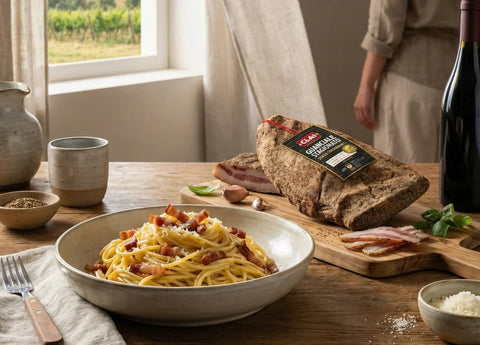
Carbonara: the art of transforming 4 ingredients into an Italian culinary masterpiece
Every great dish is born from simplicity. A few carefully selected ingredients, capable of transforming into something unique. Carbonara is the most extraordinary example of this magic: pasta, guanciale, eggs, and pecorino. Only four elements, but enough to tell the story of Rome and its gastronomic soul.
It is no coincidence that carbonara is one of the most loved Italian recipes in the world today. Behind its fame lies a perfect balance of flavors, an unmistakable creaminess, and a key ingredient that makes all the difference: guanciale. It is the heart that provides depth, aroma, and character, transforming a quick dish into a symbol of excellence.
The origins of a legendary dish
Carbonara is one of those dishes that hold more legends than certainties. Some say it originated among the charcoal burners of the Apennines, men accustomed to long months in the woods, who cooked hearty meals with few ingredients to restore their strength. Others trace its invention back to the years of the Liberation, when American military rations – powdered eggs and bacon – met traditional Roman pasta and pecorino, giving rise to a new balance of flavors.
Whatever its true origin, carbonara has earned a special place in Italian and international cuisine. From a popular and "poor" dish, designed to nourish and comfort, it has transformed into a symbol of conviviality and an identity-defining recipe, which still sparks debates and passions over every detail: from the type of pasta to the consistency of the cream, and even to the ingredient that no Roman would ever question, guanciale.
The ingredients of true carbonara
The strength of carbonara lies in its simplicity: only four ingredients, but each with a precise and irreplaceable role.
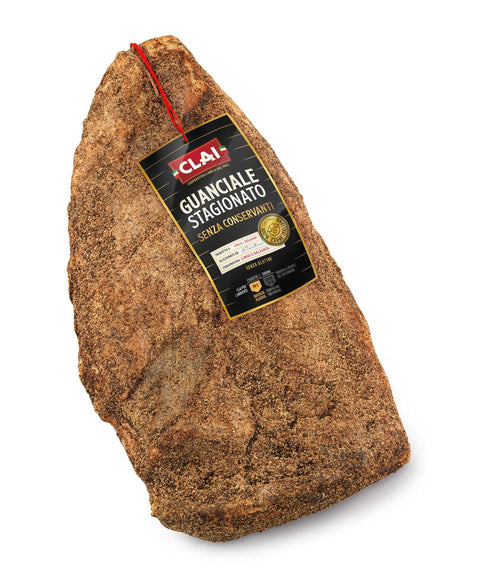
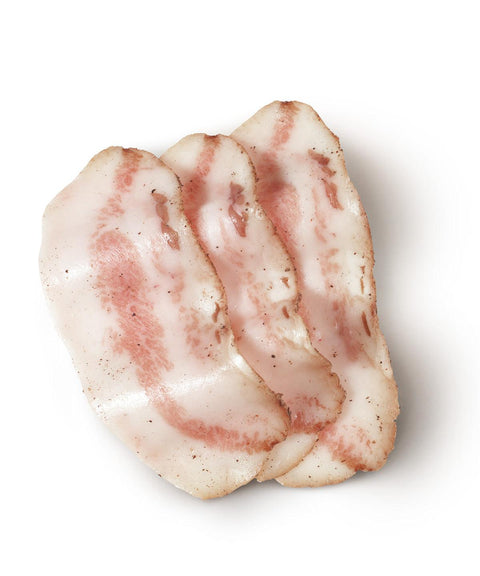
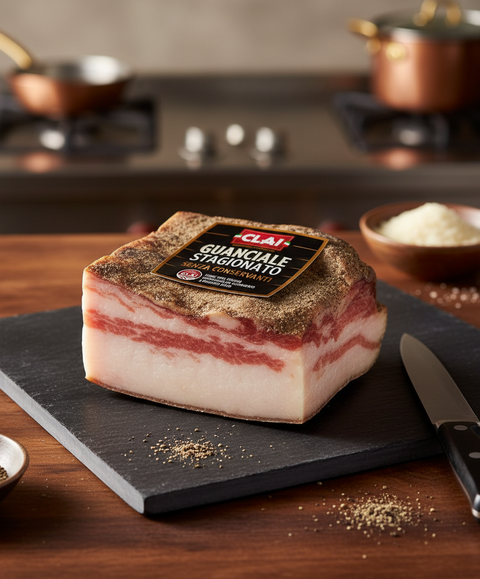
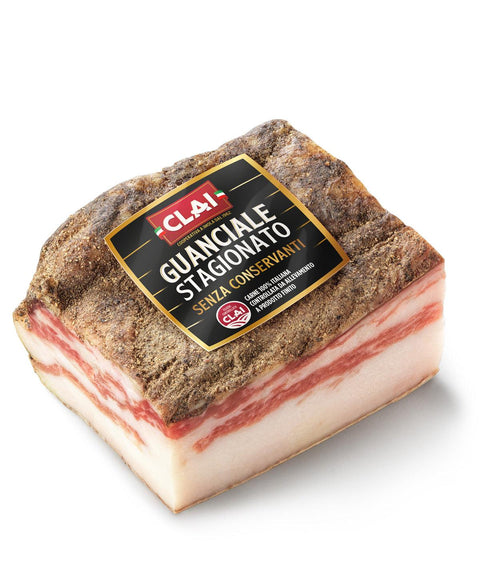
- Guanciale: it is the soul of the dish. In the pan, it slowly melts, releasing intense aromas and creating that flavorful base that binds the whole recipe together. No pancetta, no bacon: only guanciale gives depth and character.
- Fresh eggs: yolks are best, rich and creamy, capable of transforming into a velvety sauce that coats every strand of spaghetti.
- Pecorino Romano DOP: strong, savory, decisive: it is the perfect counterpoint to the richness of the guanciale.
- Pasta: spaghetti for purists, rigatoni or mezze maniche for those who like to scoop up more cream: what matters is al dente cooking.
No other ingredients are needed, and above all, no shortcuts. Cream, onion, or garlic are intrusions that distort the dish. True carbonara thrives on the strength of its essentiality: a few authentic elements, capable of becoming a masterpiece.

Step-by-step procedure
Recommended servings for 4 people (approximate): 380–400 g of pasta, 150–180 g of guanciale, 5–6 egg yolks (or 4 yolks + 1 whole egg for a lighter version), 100–120 g of Pecorino Romano, black peppercorns.
- Prepare the cream. In a large bowl, mix the egg yolks with finely grated Pecorino and freshly ground black pepper. Whisk until you get a thick, homogeneous cream. Do not add salt: the Pecorino and guanciale will be enough.
- Cut the guanciale. Cut it into strips 6–8 mm thick. Place it in a cold pan: this way the fat will slowly melt without burning. Brown over medium-low heat until golden and crispy. Remove the strips and set them aside on a plate; keep the fat in the pan (it’s gold for the emulsion).
- "Awaken" the pepper. Grind more pepper into the hot pan with the fat and let it toast for a few seconds: it will release its aroma. Add a ladleful of pasta cooking water and create a glossy emulsion.
- Cook the pasta. In plenty of lightly salted water, cook the spaghetti (or rigatoni/mezze maniche) until two minutes before the indicated cooking time. Always reserve a cup of starchy water: it will be used to adjust the creaminess.
- Sauté and flavor. Drain the al dente pasta and transfer it to the pan with the fat and pepper emulsion. Sauté over high heat for 30–40 seconds: this will create a flavorful base to welcome the eggs.
- Remove from heat. Turn off the heat and wait a few seconds. This step off the heat is crucial to avoid overcooking the eggs.
- Creamy mantecatura. Pour the egg and Pecorino cream over the pasta and mix vigorously with tongs and a ladle. Add a little cooking water at a time until you get a silky and shiny sauce that coats the pasta without being stringy.
- Add the guanciale back. Add the crispy strips you set aside (if you prefer, add half during mantecatura and half as a garnish for a double texture). Adjust with a final grind of pepper and, only if needed, a sprinkle of Pecorino.
- Serve immediately. Form nests on warm plates, finish with fine Pecorino and pepper. Let it rest for 30 seconds on the plate: the sauce will settle and become even creamier.
Chef's tips
- If you want an even silkier cream, emulsify a teaspoon of it with a drop of guanciale fat before adding it to the pasta.
- If you are concerned about residual heat, mix in a warm glass bowl instead of the pan: you will have more control.
- Cream too thick? A spoonful of cooking water will fix it. Too fluid? A spoonful of Pecorino sprinkled in, always off the heat.

The 5 secrets to perfect carbonara
Behind its apparent simplicity, carbonara hides small rules that truly make a difference. These are the details that distinguish a good dish from an unforgettable one.
- Guanciale should be cooked slowly. Never rush and never use high heat: it must slowly render its fat, becoming golden and crispy without burning.
- The mantecatura (creaming) is done off the heat. It is the heat of the freshly drained pasta that cooks the eggs just right, creating the perfect cream.
- Pecorino grated very finely. The finer it is, the better it blends with the eggs and pasta water, preventing clumps.
- Cooking water is your ally. Added little by little, it gives silkiness to the sauce and makes it uniform.
- Pepper is ground at the moment of serving. It's the final touch, completing the dish with aroma and character, just as it happens in Roman trattorias.
These tips are simple, but respecting them means achieving a carbonara that not only tastes of tradition but also tells of the elegance of Roman cuisine.
Mistakes to avoid
Carbonara is one of the most beloved dishes in the world, but also one of the most misunderstood. Often, in an attempt to simplify or "modernize" it, mistakes are made that completely distort its essence.
- Using cream. This is the most common mistake: it makes the dish heavy and masks the delicate flavor of the egg and Pecorino cream. True carbonara doesn't need it.
- Replacing guanciale with pancetta. The flavor changes radically: less complex, less persistent. Without guanciale, it's not carbonara.
- Cooking the eggs in the pan. A moment's distraction and the sauce turns into scrambled eggs. The egg should only be emulsified with the heat of the pasta, never directly cooked.
- Overdoing the salt. Between Pecorino and guanciale, the saltiness is already guaranteed. The cooking water should be lightly salted, no more.
- Using pre-ground pepper. It loses its intensity and aroma: black pepper should always be freshly ground.
Small details, for sure, but fundamental: just avoid them to rediscover the authentic tradition of Rome in your dish.
Regional variations and interpretations
Carbonara is a symbol of Rome and, for purists, it allows for no deviations. Yet, over time, even within Italian tradition, some variations have emerged that, while remaining faithful to the original spirit, propose small differences.
In Umbria and Tuscany, for example, it is not uncommon to find a mix of Pecorino and Parmesan: a choice that sweetens the taste without distorting the dish. Some Roman trattorias, on the other hand, prefer rigatoni or mezze maniche over spaghetti, because they hold the velvety sauce better.
In contemporary kitchens, "gourmet" interpretations also appear: marinated egg yolks, Pecorino of different aging, or pairings with seasonal vegetables. Interesting experiments, as long as the fundamental rule is not betrayed: guanciale is essential.
The beauty of carbonara is precisely this: knowing how to remain faithful to its roots and, at the same time, inspire new forms of creativity that confirm its vitality.
Recommended wine pairings
A dish like carbonara calls for a wine that can support its intensity, refresh the palate, and at the same time enhance the creaminess of the sauce. Not all wines are suitable: balance, freshness, and character are needed.
- Frascati Superiore DOCG – This is the most traditional choice. Fresh, mineral, with light floral notes, it originates in the heart of Lazio and is perfect for balancing the richness of the guanciale.
- Cesanese del Piglio DOCG – A soft and fruity red from Lazio, it provides an aromatic backbone that accompanies the savoriness of Pecorino without overpowering it.
- Vermentino – From the Tyrrhenian coasts, it brings citrus aromas and a marine freshness to the dish that cleanses the palate and invites another bite.
- Lambrusco di Sorbara DOC – For those who love dry sparkling wines: light, lively, ideal for modern interpretations or for those who want to surprise with an unusual pairing.
The rule is simple: the wine must converse with the dish, not dominate it. This way, carbonara remains the star, accompanied by a glass that enhances it without stealing the show.
Carbonara is the clearest example of how a few ingredients can transform into a universal dish. No tricks or superfluous additions are needed: just pasta, eggs, Pecorino, and above all, guanciale. It is the latter that provides depth, aroma, and character, making the recipe unique and recognizable in every corner of the world.
The CLAI Guanciale, with its slow curing, traditional processing, and 100% Italian supply chain, embodies the authentic spirit of this tradition. Each slice contains the care of expert hands and the passion of a cooperative that has upheld values of quality and transparency for sixty years.
Bringing carbonara made with CLAI guanciale to the table means not only respecting the original recipe but also experiencing a gastronomic journey that unites conviviality, history, and a love for good food.
Because carbonara is not just a dish: it is a ritual to be shared, a pleasure that tells our culture, a tradition worth passing on.
Want to try authentic Roman carbonara?
Order CLAI Guanciale from the online shop and discover the difference an authentic ingredient makes